The FUE Hair Transplant Procedure
A minimally invasive, doctor-led technique for natural, lasting hair restoration.
A minimally invasive, doctor-led technique for natural, lasting hair restoration.
What Is FUE?
FUE is a modern hair restoration technique in which individual follicular units — the natural groupings of one to four hairs — are extracted one at a time from the donor area, typically the back and sides of the scalp. These follicles are then placed into thinning or balding areas, following the natural angle, direction and density of your existing hair.
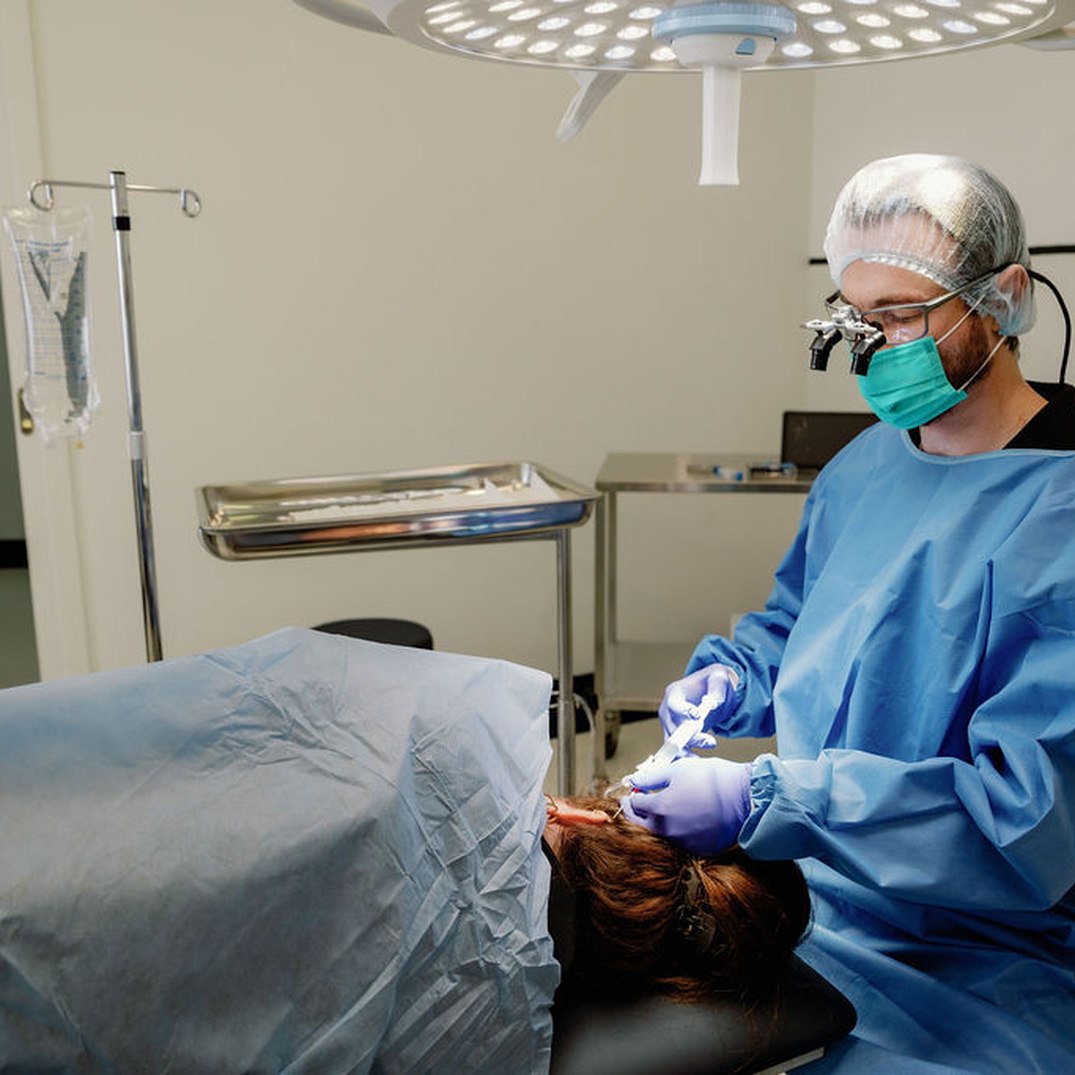
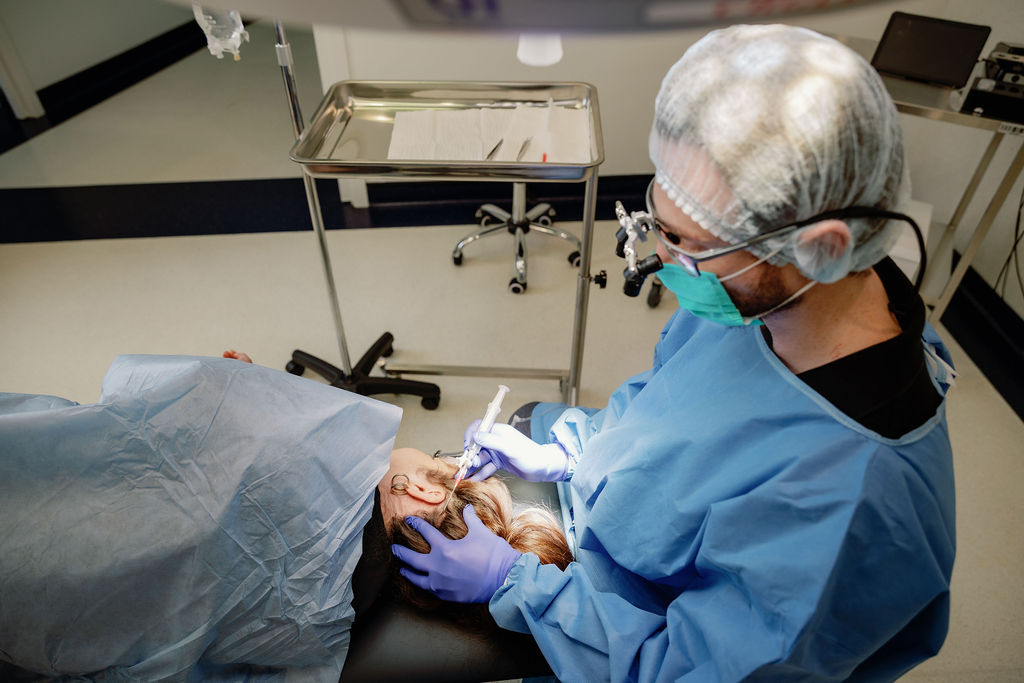
Because it uses tiny circular extractions rather than a long incision, FUE avoids a linear scar and generally allows a comfortable recovery. At this clinic, Dr Alex or Dr Ranadi leads your procedure in person and performs it personally, working alongside a trained team who assist with the grafting under their direction.
Our Instruments
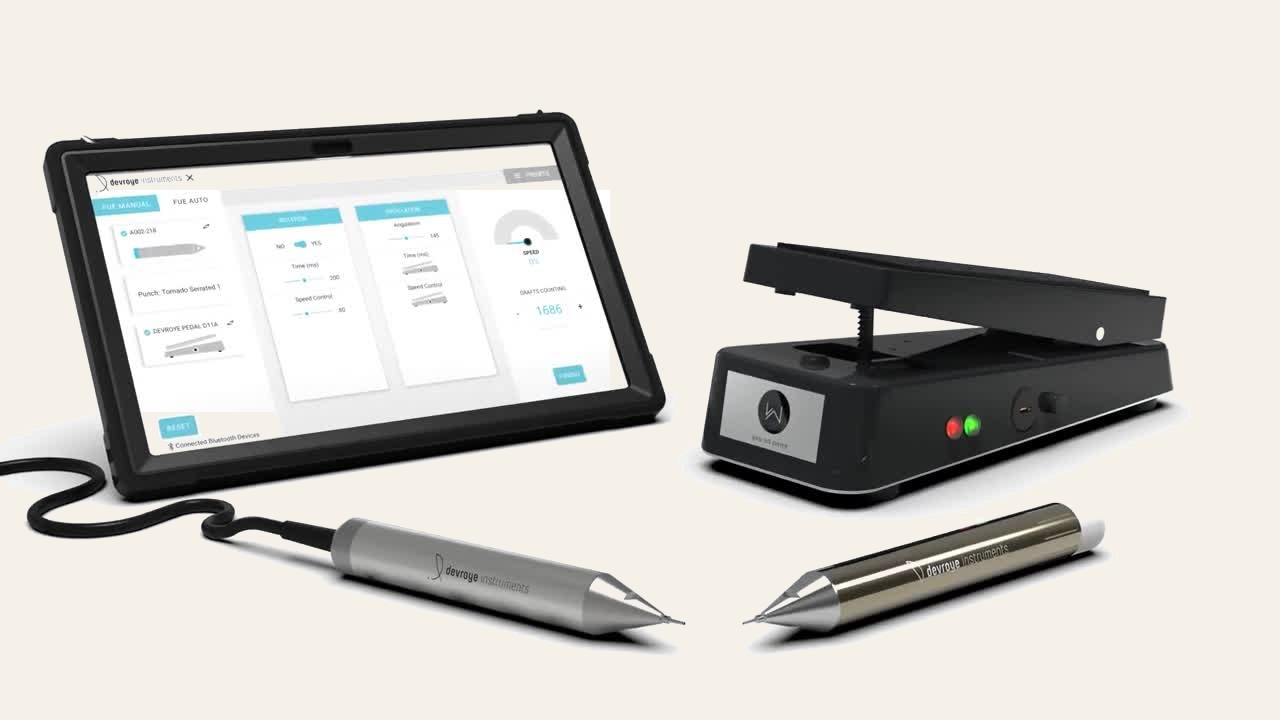
Your grafts are harvested using the WAW FUE System by Devroye Instruments — a motorised extraction platform your doctor controls directly. Its flat “trumpet” punch both oscillates and rotates, and is designed to separate each follicular unit gently to help protect the grafts as they are removed.
A foot pedal adjusts the speed in real time, and a connected tablet counts and tracks every graft throughout the day — supporting the careful, unhurried approach we take to each procedure.
Instruments support the doctor’s technique; they do not by themselves determine the outcome. Results depend on individual factors and vary between people.
New
Our latest addition is a wireless version of the extraction handpiece — the same precise, motorised control, now without a cable.
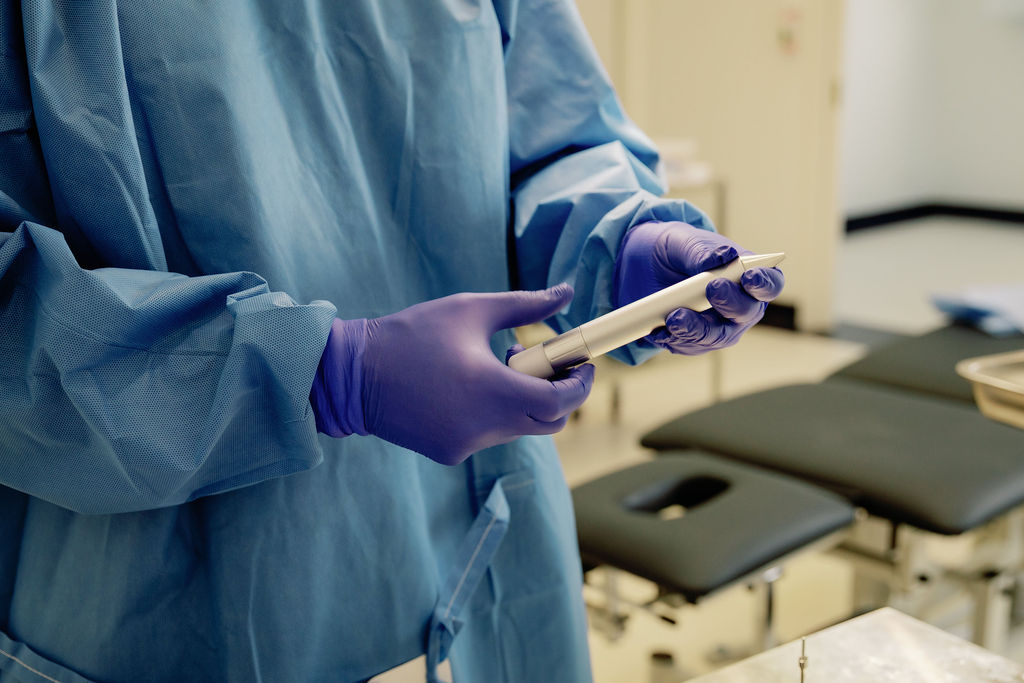
The wireless handpiece gives your doctor a lighter, unencumbered instrument during your procedure, while the foot pedal still controls the speed in real time. Wired and wireless options run on the same WAW system, so your doctor can use whichever suits the moment — without changing the technique behind your result.
Graft Care
At 3D Hair Transplant, we use liposomal ATP (adenosine triphosphate) technology as part of our graft-handling protocol during every procedure. ATP is the molecule your cells use to store and transfer energy — when hair follicles are harvested, they’re temporarily separated from their blood supply, and cellular energy levels begin to decline. Liposomal ATP delivery is designed to support cellular energy function during this window, before the grafts are placed.
Between extraction and placement, grafts are kept chilled in lactated Ringer’s solution (also known as Ringer’s lactate) — a balanced, physiological salt solution — with liposomal ATP added to help support the follicles while they’re outside the body.
This reflects our broader approach: every follicle is handled individually, with attention to modern graft-care techniques throughout the procedure.
As with all elements of hair restoration, individual results vary. This technology is one part of a broader clinical protocol and should not be considered a guarantee of graft survival or outcome. Dr Alexander Brooks (AHPRA MED0002148734) is available to discuss your individual candidacy and expected outcomes at your consultation.
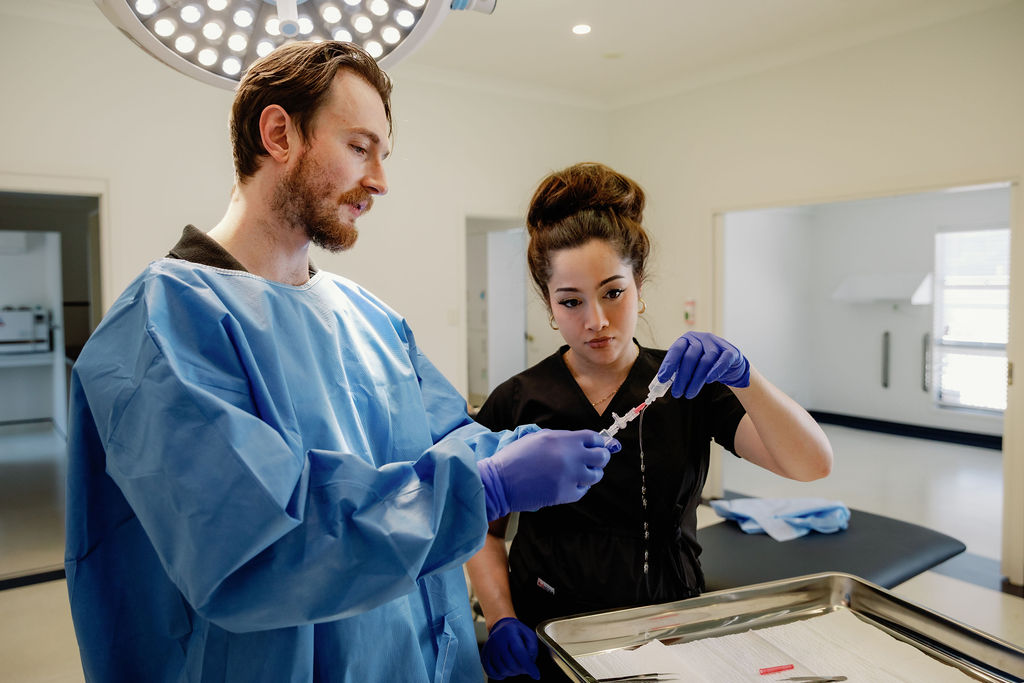
Precision at every step
Every follicle we extract is handled and prepared by the clinical team under Dr Alex’s direction — kept chilled in a lactated Ringer’s holding solution with liposomal ATP, and placed to follow the natural angle, direction and density of your own hair.
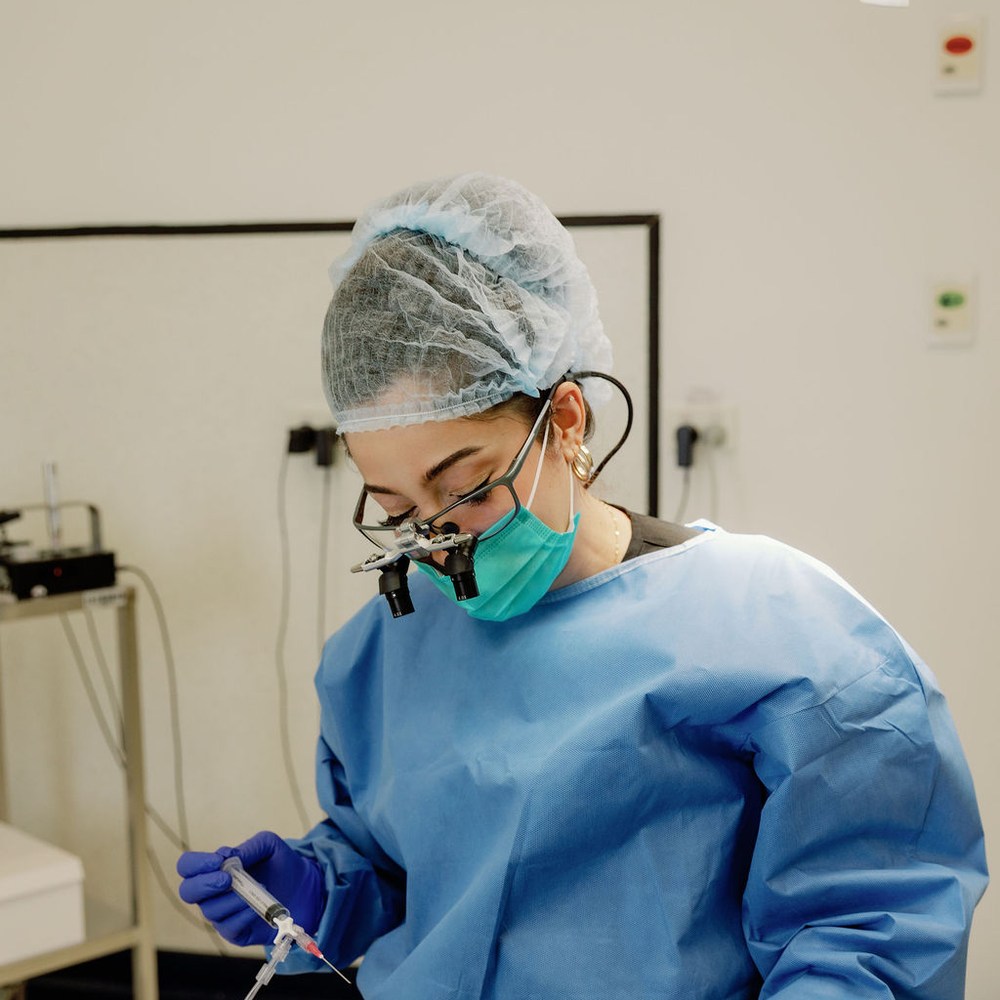
Step by Step
Dr Alex or Dr Ranadi assesses your hair, donor supply and goals, then designs a hairline and treatment plan suited to you.
The donor area is prepared for extraction — where clinically suitable, you can keep the top of your head at length rather than shaving it all. Local anaesthetic is applied so you remain comfortable throughout.
Follicular units are extracted and placed at the correct angle, direction and depth — the part that shapes your result — with your doctor leading and working hands-on alongside the trained team.
You go home the same day with clear instructions and follow-up support to protect your grafts as they heal.
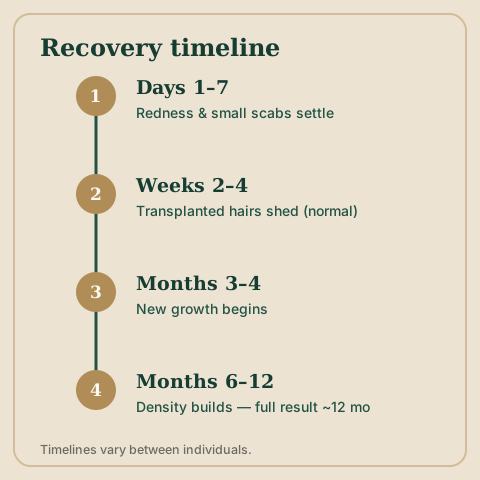
Recovery & Results
Timelines and outcomes vary between individuals depending on age, health, the extent of the procedure and adherence to aftercare.
Take our free 3-minute hair assessment for a plain-English view of your options — or email us for a no-obligation chat. And if you’re not ready for surgery, we also offer non-surgical & medical management. No pressure to proceed.
Take the free assessment → Email usImportant Information
A hair transplant is a higher-risk non-surgical cosmetic procedure. It requires careful consideration, a thorough clinical consultation, and informed consent. The information below is general only.
Commonly, temporary swelling, redness, minor bleeding, crusting, itching or numbness, and shedding of transplanted hairs. Less common risks include infection or folliculitis, small donor-area scarring, variable graft growth, and reactions to anaesthetic. Rare complications exist and are discussed at consultation. There is no guarantee of complete or uniform growth.
A transplant is not right for everyone. Factors affecting suitability include insufficient donor density, certain medical conditions or medications, active scalp conditions, smoking, unrealistic expectations, and younger age where the future pattern of hair loss cannot yet be predicted. Alternatives — including medication or no treatment — will be discussed where appropriate.
Book a consultation with Dr Alex or Dr Ranadi for an individual assessment and honest advice.
Book a consultation Email us